What Is Performance Physical Therapy and How Is It Different?
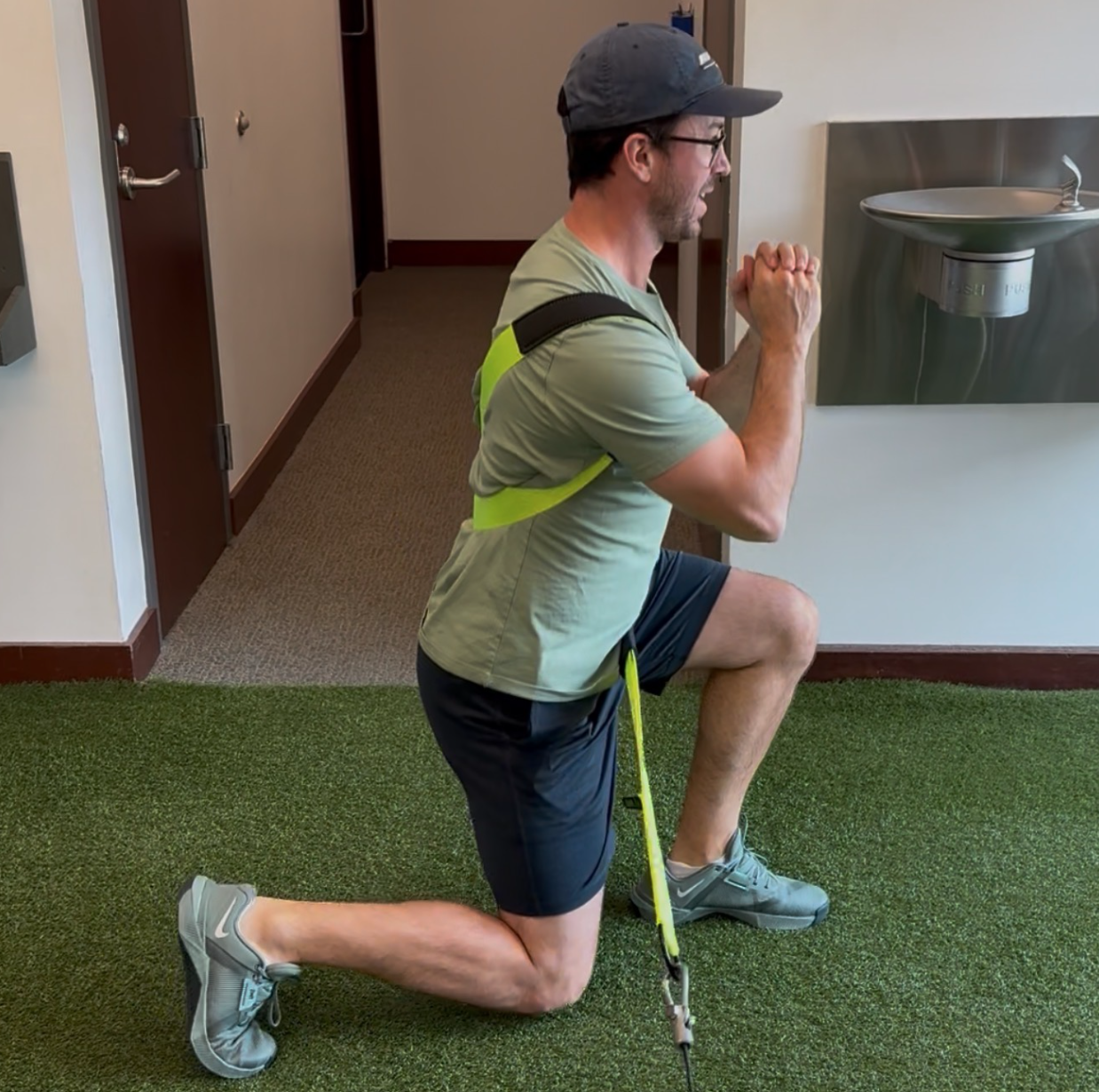
Whether you're trying to eliminate nagging shoulder pain before your next golf round, return to running after an injury, or simply stay in the gym, you may have heard the term performance physical therapy. But what does it actually mean, and how is it different from traditional physical therapy?
At Smith Performance Therapy in Mt. Pleasant, SC, performance physical therapy is built around a simple philosophy: recovery shouldn't end when the pain goes away. Instead, rehabilitation should prepare you to move stronger, perform better, and reduce your risk of future injuries.
For golfers, runners, lifters, ex-athletes, and weekend warriors throughout Charleston and Mt. Pleasant, that distinction can make all the difference.
What Is Performance Physical Therapy?
Performance physical therapy combines evidence-based orthopedic rehabilitation with strength and conditioning, movement analysis, mobility training, and sport-specific exercise programming.
Rather than focusing only on reducing pain, performance physical therapy asks a bigger question:
"Why did this problem happen in the first place, and what needs to improve so it doesn't come back?"
Research increasingly supports this comprehensive approach. Modern rehabilitation emphasizes restoring strength, movement quality, neuromuscular control, and functional capacity—not simply resolving symptoms—to improve long-term outcomes and reduce reinjury risk.
This means treatment often includes:
Comprehensive movement assessments
Joint mobility evaluation
Strength testing
Functional movement analysis
Progressive strength training
Corrective exercise
Manual therapy when appropriate
Return-to-sport or return-to-activity planning
The goal isn't simply to feel better.
The goal is to perform better than before your injury.
Traditional Physical Therapy vs. Performance Physical Therapy
Traditional physical therapy plays an essential role in helping people recover from surgery, acute injuries, or painful conditions. Many clinics do excellent work helping patients regain basic function.
However, many active adults discover that traditional rehabilitation often ends once they're able to perform everyday activities without significant pain.
For someone whose goals include:
Playing 36 holes of golf
Running a half marathon
Deadlifting heavy weights
…"pain-free" isn't the finish line.
Performance physical therapy bridges the gap between rehabilitation and full athletic performance by continuing to build:
Strength
Power
Mobility
Balance
Coordination
Sport-specific movement capacity
Instead of asking, "Can you walk without pain?" performance physical therapy asks:
Can you rotate efficiently during your golf swing?
Can your shoulder tolerate hundreds of serves in a tennis match?
Can your knees handle downhill trail running?
Can your body withstand your weekly training volume?
Those questions matter if you want lasting results.
Why Movement Matters More Than Pain
Pain is often only one piece of the puzzle.
Many overuse injuries develop because of movement limitations elsewhere in the body.
For example:
A golfer with limited hip mobility may overload the lower back.
A runner with weak glute muscles may develop knee pain.
A lifter with poor thoracic mobility may experience recurring shoulder problems.
Research has consistently shown that deficits in mobility, strength, neuromuscular control, and movement quality contribute to injury risk and influence successful return to sport. Addressing these impairments through individualized exercise programs improves both function and long-term outcomes.
Rather than chasing symptoms, performance physical therapy focuses on identifying the underlying movement dysfunctions driving pain or limiting performance.
The Smith Performance Therapy Difference
Not every performance physical therapy clinic approaches rehabilitation the same way.
At Smith Performance Therapy, Dr. Kevin Smith has intentionally built a model around athletes and active adults who want more than generic exercise sheets and 15-minute appointments.
His credentials include:
Doctor of Physical Therapy (DPT)
Board Certified Orthopedic Clinical Specialist (OCS)
Certified Orthopedic Manual Therapist (COMT)
Certified Strength and Conditioning Specialist (CSCS)
Titleist Performance Institute (TPI) Certified
That combination allows him to integrate rehabilitation with performance training in a way that's uncommon in traditional outpatient clinics.
One-on-One Care
Unlike high-volume clinics where therapists divide attention among multiple patients, Smith Performance Therapy provides dedicated one-on-one sessions.
This allows time for:
Thorough movement analysis
Exercise coaching
Manual therapy when indicated
Education
Ongoing progression based on your goals
Because improving movement quality takes more than simply counting repetitions.
Strength Training Is Part of Rehabilitation
One of the biggest misconceptions about physical therapy is that it only involves stretching and light resistance bands.
While those tools certainly have their place, evidence strongly supports progressive resistance training as a key component of rehabilitation for many musculoskeletal conditions.
At Smith Performance Therapy, clients begin rebuilding strength early in the rehabilitation process—as appropriate for their condition—using individualized programming that progresses safely over time.
That means rehabilitation doesn't stop when pain decreases.
Instead, treatment evolves into performance training that prepares you for the real demands of your sport or lifestyle.
Why Golfers Benefit from Performance Physical Therapy
Golf may look low impact, but the golf swing places tremendous rotational forces on the spine, hips, shoulders, and knees.
Many golfers unknowingly lose distance, consistency, or develop pain because of limitations in:
Hip rotation
Thoracic spine mobility
Core stability
Shoulder mobility
Balance
Force production
As a TPI Certified provider, Kevin evaluates how your body's movement capabilities influence your golf swing rather than trying to change your swing mechanics themselves.
Improving the body's ability to rotate, stabilize, and generate force often leads to more efficient movement while reducing physical stress during the swing.
Who Is Performance Physical Therapy For?
Despite the name, you don't need to be a professional athlete.
Performance physical therapy is ideal for:
Lifters
Runners
Serious golfers
Competitive, team-sport athletes
Busy parents
Weekend warriors
Whether your goal is playing better golf, running farther, lifting heavier, or simply keeping up with your kids, your rehabilitation should support the activities that matter most to you.
Why the Future of Physical Therapy Is Performance-Based
Healthcare is gradually shifting toward prevention, resilience, and long-term function rather than simply treating symptoms.
Performance physical therapy reflects that evolution.
By combining orthopedic expertise with movement science, strength training, mobility development, and individualized coaching, this model helps patients build bodies that are not only pain-free, but also capable of handling the physical demands of everyday life and sport.
That's especially valuable in Charleston and Mt. Pleasant, where year-round golf, boating, running, cycling, and outdoor recreation keep people active throughout every season.
Ready to Move Better and Perform at Your Best?
If you've completed physical therapy before but still don't feel confident returning to the activities you love, or you're tired of recurring pain limiting your performance, performance physical therapy may be exactly what you're looking for.
At Smith Performance Therapy, every treatment plan is built around your goals—not an insurance-driven timeline. Whether you're recovering from an injury, improving your golf game, or looking to become stronger and more resilient, Dr. Kevin Smith combines expert orthopedic care with performance-focused training to help you move with confidence.
Schedule a consultation with Smith Performance Therapy in Mt. Pleasant today and discover how a performance-first approach can help you recover completely, prevent future injuries, and reach your highest level of performance.
